The honest ChatGPT Images 2.5 alternative (2026) for creators who need brand-consistent images published, not just generated
ChatGPT Images 2.5 makes one image in a chat. Kompozy generates brand images and publishes them across nine platforms. The honest 2026 comparison.
Published 2026-09-08 · Updated
Short answer
ChatGPT Images 2.5, launched September 8, 2026, is OpenAI's image model for making and editing one image in a chat, with Sketch, Templates, and up to 50% lower latency than Images 2.0. It is in every ChatGPT plan. Kompozy does not beat it on a single image. It is the alternative when you need branded sets captioned and published across platforms.
Key takeaways
- Images 2.5 is available to all ChatGPT, ChatGPT Work, and Codex users.
- Developers get two API models: GPT-Image-2.5 Flare and GPT-Image-2.5 Sunburst.
- It makes one image at a time, with no captions, fan-out, or publishing.
- Kompozy turns an image into carousels, quote cards, and photo posts and publishes them.
If you searched for a "ChatGPT Images 2.5 alternative," it is worth being precise about what you are actually comparing, because ChatGPT Images 2.5 and Kompozy barely compete for the same job. OpenAI's Images 2.5, launched September 8, 2026, is a genuinely excellent image model — faster than Images 2.0, more natural in lighting and texture, with in-chat Sketch and Templates and two API models for scale. If your need is the best single image, nothing on this page beats it, and Kompozy does not claim to.
I run Kompozy, so the honest framing is that these are two halves of a workflow, not two options for the same slot. ChatGPT Images 2.5 makes and edits one image in a chat. Kompozy is a content generation and publishing engine: it generates images too — Photo Posts, Carousels, Quote Graphics, and face-locked Persona Photos — but its real job is turning assets into a week of on-brand, per-platform posts and shipping them across nine platforms. One makes the image; the other makes the feed.
So the real question is not "which is better at generating an image" — ChatGPT wins that — it is "what is your bottleneck." If the bottleneck is producing one striking image or generating at volume through an API, use ChatGPT Images 2.5. If the bottleneck is a recognizable, consistent visual presence posted across platforms — the same face and brand frame on every graphic, captioned, reframed, and scheduled — a chat image model structurally cannot do that, and that is the gap this page is about.
Everything below is reconciled against OpenAI's launch announcement and ChatGPT pricing, and Kompozy's own pricing, as of 2026-09-08. No invented weaknesses — ChatGPT's limits here are simply that brand governance and publishing were never its purpose.
What does ChatGPT Images 2.5 do?
ChatGPT Images 2.5 is OpenAI's image-generation and editing model, used inside ChatGPT or through the Images API. It generates up to 50% faster than Images 2.0, with more natural lighting and richer textures, better preservation of subjects from a reference photo, and reliable editing across a multi-turn conversation. Sketch lets you draw a composition reference in the chat; Templates give starting points for flyers, posters, and product photos. For developers, GPT-Image-2.5 Flare brings the same quality, editing and speed gains to the API, and GPT-Image-2.5 Sunburst adds extra precision for detailed work with longer generation times. It rolled out to all ChatGPT, ChatGPT Work, and Codex users across desktop, mobile, and web. What it does not do is anything past the single image. There is no captioning for social, no fan-out of one image into a branded multi-format set, no persona identity held across a whole calendar of posts, and no scheduling or publishing. It is an image maker and editor, deliberately, not a content or distribution engine — it generates an image and hands it back.
Why do people look for a ChatGPT Images 2.5 alternative?
Creators look past ChatGPT Images 2.5 for one reason: it was not built to run a content operation. If your bottleneck is "I need a branded carousel, three quote graphics, a set of Photo Posts with the same face, captioned and scheduled across six platforms this week," the model does none of that. It can make one beautiful image, but the moment you need that image turned into a coordinated, on-brand drop and posted, you are out of its scope and back to manual work in other tools. There is also a consistency mismatch. ChatGPT Images 2.5 holds a subject steady within a conversation, but it does not lock a persona's face to reuse identically across weeks of content — and cross-calendar sameness is exactly what a recognizable brand identity needs. A solo creator or small brand running daily multi-format output wants brand-voice governance, a locked persona face, per-platform reframing, and a publishing queue — none of which a chat image model provides. And it makes images only: an entire content mix of persona and avatar video, blogs, and newsletters is off the table. None of this makes ChatGPT weak; it makes it a different category of tool. If your work is producing and distributing on-brand content, you need a content engine — that is the comparison this page exists for.
How do ChatGPT Images 2.5 and Kompozy compare feature by feature?
| Feature | ChatGPT Images 2.5 | Kompozy | Note |
|---|---|---|---|
| Raw single-image generation quality | Yes | Partial | ChatGPT Images 2.5 is a top-tier generator. Kompozy generates images via the gpt-image family plus Gemini but does not compete on raw generation ceiling — this row goes to ChatGPT. |
| In-chat editing, Sketch, and Templates | Yes | No | Conversational editing, drawing a reference, and template starting points are ChatGPT's strength. Kompozy has no chat canvas — this row goes to ChatGPT. |
| Programmatic image API at volume | Yes | No | GPT-Image-2.5 Flare and Sunburst are available in the API. Kompozy generates images inside its pipeline, not as a standalone image API — this row favors ChatGPT. |
| Face-locked persona identity across posts | No | Yes | Kompozy uses Gemini face-lock to keep the same face on every render across weeks. ChatGPT holds a subject only within one conversation. |
| One image fanned into a branded multi-format set | No | Yes | Kompozy turns one asset into a carousel, quote graphic, and Photo Posts automatically. ChatGPT makes one image at a time. |
| Brand-exact templated layouts (HyperFrames) | Partial | Yes | ChatGPT Templates cover generic flyers and posters; Kompozy renders pixel-exact layouts in your own brand system. |
| Auto-captioning and per-platform copy | No | Yes | Kompozy writes per-platform copy in your voice via the Persona Brief and burns in captions. ChatGPT does neither. |
| Persona / avatar video, blog, and newsletter generation | No | Yes | Kompozy generates HeyGen-based persona video, blogs, and newsletters. ChatGPT Images 2.5 is images only. |
| Multi-platform scheduling & publishing | No | Yes | Kompozy schedules and publishes to eight social platforms plus blog and email, with autopilot and a review step. ChatGPT publishes nothing. |
| One source fanned into many outputs automatically | No | Yes | Kompozy fans a 60-minute episode into 25–35 outputs across five buckets. ChatGPT finishes one image at a time. |
How much do ChatGPT Images 2.5 and Kompozy cost?
| Tier | ChatGPT Images 2.5 plan | ChatGPT Images 2.5 price | Kompozy plan | Kompozy price |
|---|---|---|---|---|
| Entry | ChatGPT Free / Plus | $0 free; about $20/mo Plus | Kompozy Starter | $199/mo |
| Mid | ChatGPT Business / API (Flare) | Business per seat; API priced separately | Kompozy Pro | $499/mo (18,000 credits) |
| Top | ChatGPT Pro | $100, $200 or $500/mo (Pro 100, 200, 500) | Kompozy Enterprise | Contact Sales |
What does ChatGPT Images 2.5 do well?
- Top-tier image quality — natural lighting and rich texture, up to 50% faster than Images 2.0.
- In-chat conversational editing with reliable selective edits across multiple turns.
- Sketch lets you draw a composition reference, controlling layout better than prompt text alone.
- Templates make flyers, posters, and product images approachable for non-designers.
- Two API models: Flare with the same gains as ChatGPT, and Sunburst with extra precision for detailed work.
- Bundled into every ChatGPT tier, including free, so there is no separate purchase to start.
- Excellent for one-off hero images, thumbnails, and product shots where raw quality is the whole job.
Where does ChatGPT Images 2.5 fall short?
- No captioning for social, per-platform fan-out, or publishing — distribution is entirely manual.
- No persona identity held across many posts; consistency is per-conversation, not per-brand-calendar.
- It makes one image at a time and cannot fan a single asset into a branded carousel, quote card, and set.
- API use is priced separately from ChatGPT plans, so high-volume work needs its own budget.
- Images only — no persona or avatar video, clipping, blog, or newsletter generation for a full mix.
- The Free plan gets only limited image creation; unlimited image creation is a Pro feature.
- It requires you to bring your own brand system; Templates are generic, not your pixel-exact layouts.
When should you pick ChatGPT Images 2.5?
- Your bottleneck is generating one striking image. For raw single-image quality, editing, Sketch, and Templates, ChatGPT Images 2.5 is excellent and Kompozy does not compete for that.
- You need programmatic image generation at scale. GPT-Image-2.5 Flare and Sunburst give developers an image API; Kompozy has no standalone raw image API.
- You want conversational, iterative editing. Multi-turn editing with selective changes and a drawn reference is exactly what the chat model is built for.
- You already live in ChatGPT and want images included. Images 2.5 is bundled into every ChatGPT tier, so there is no extra tool to adopt for one-off image needs.
When should you pick Kompozy instead?
- You need on-brand images published, not just generated. Kompozy fans one asset into a carousel, quote card, and Photo Posts, captions them, and ships them across eight social platforms plus blog and email — ChatGPT stops at the image.
- You want the same persona face on every post. Gemini face-lock keeps a persona's face identical across weeks; ChatGPT holds a subject only within one conversation.
- You want one asset turned into a week of content. Kompozy fans a 60-minute episode into 25–35 outputs across five buckets; ChatGPT finishes one image at a time.
- You need a full content mix, not just images. Kompozy also generates persona and avatar video, blogs, and newsletters — a category ChatGPT Images 2.5 does not touch.
- You publish across many platforms on a schedule. Kompozy schedules and fans output across eight social platforms plus blog and email with autopilot and a review step. ChatGPT has no scheduler.
Is Kompozy a replacement for ChatGPT Images 2.5?
Think of it in terms of the job, not the feature list. ChatGPT Images 2.5 is a very good way to make and edit one image: you prompt it, guide it with Sketch, start from a Template, and refine it in the chat.
Kompozy is the content team and the distribution channel that starts where that image ends — it takes an asset (including a ChatGPT-generated image) and produces the branded carousel, the quote card, the Photo Posts with your face locked in and your voice on the copy, and then schedules and publishes them to Instagram, Facebook, TikTok, YouTube, LinkedIn, X, Pinterest, and Threads, plus blog and email, from one queue.
The reason this is an "alternative" page at all is that creators sometimes hope a chat image model will run their visual content pipeline, and it cannot — there is no brand governance, no face-lock across a calendar, no fan-out, and no scheduler in a chat.
On Kompozy your credits do not become one image you still have to brand, caption, and post by hand; they become finished, scheduled posts across formats and platforms, on a single credit line with autopilot and a review step. Start on Kompozy Starter at $199/mo and keep ChatGPT Images 2.5 for the individual images it is genuinely great at. You are buying a content engine, not a better image generator.
What does this look like in Kompozy?
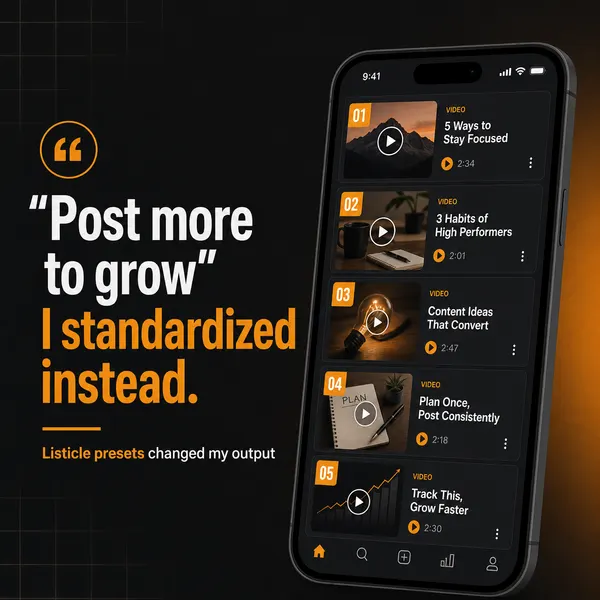
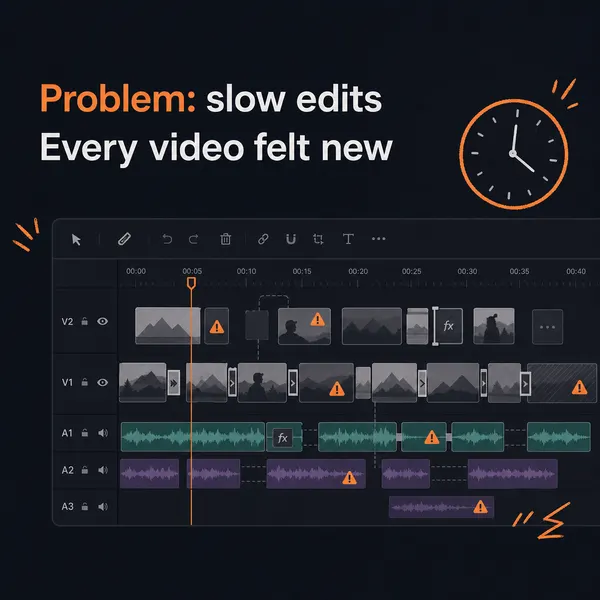
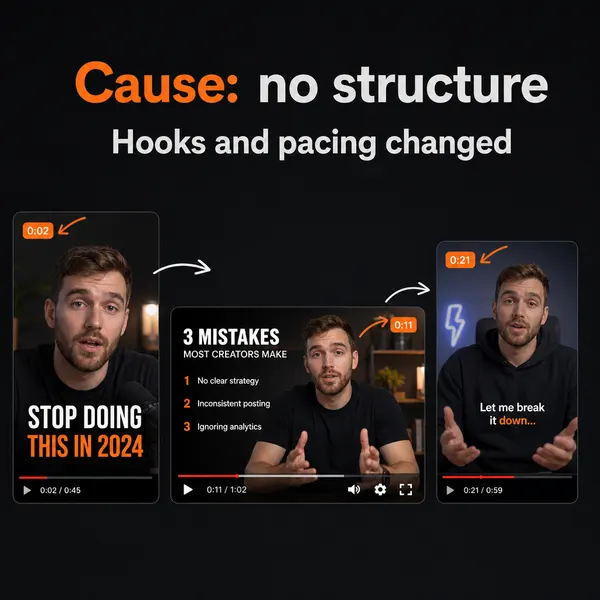
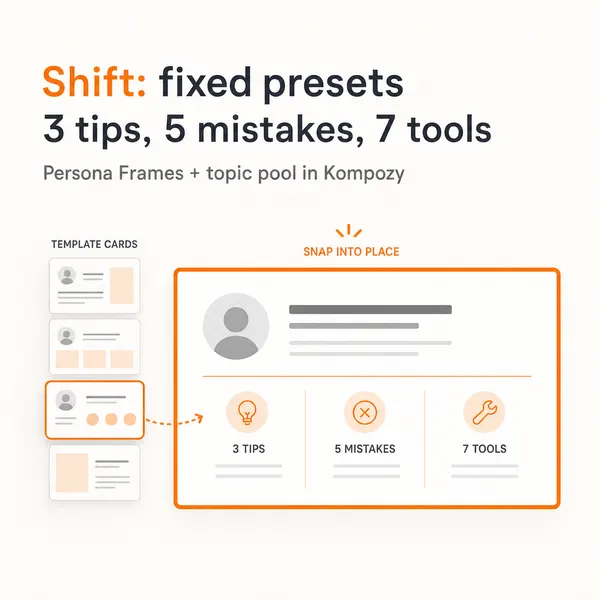
A five-slide branded carousel from the Kompozy workspace. A chat image model gives you one image; Kompozy builds and publishes the set.
Who is this for, and who should skip it?
Best for:
- Creators who need on-brand image sets published, not single images
- Brands that want the same persona face across weeks of posts
- Teams that want images plus video, blogs, and newsletters from one source
Not ideal for:
- Anyone who needs the best possible single image (ChatGPT wins)
- Developers who need an image API at volume
- People who want conversational, multi-turn image editing
Frequently asked questions
Is Kompozy a replacement for ChatGPT Images 2.5?
No, and it does not claim to be. ChatGPT Images 2.5 is a top-tier image generator; Kompozy is a content generation and publishing engine. They cover different halves of the workflow — many creators generate an image in ChatGPT and use Kompozy to turn it into a branded, captioned, scheduled set across platforms.
Can ChatGPT Images 2.5 post images to social media?
No. It generates and edits images in a chat but has no captioning for social, no fan-out of one image into a branded multi-format set, and no scheduling or publishing. That distribution step is what Kompozy automates across nine platforms.
Does Kompozy generate images as well as ChatGPT Images 2.5?
Kompozy generates images — Photo Posts, Carousels, Quote Graphics, and face-locked Persona Photos — using the gpt-image family plus Gemini, but it does not match ChatGPT's raw single-image ceiling or its conversational editing. Its advantage is brand consistency, fan-out, and publishing, not beating ChatGPT at making one image.
How does pricing compare?
ChatGPT Images 2.5 is bundled into every ChatGPT tier — free, Plus (about $20/mo), and Pro ($100 to $500/mo) — with the Images API priced separately. Kompozy is paid-only, starting at $199/mo Starter and scaling to $499/mo Pro (18,000 credits), with credits going to finished, published posts. Confirm current figures at OpenAI's pricing page and kompozy.io/pricing.
Should I use both ChatGPT Images 2.5 and Kompozy?
Often, yes. Use ChatGPT Images 2.5 to generate the best individual image, then bring it into Kompozy to fan it into a branded carousel, quote card, and Photo Posts, lock in a consistent persona face, caption and reframe per platform, and publish across nine platforms. They are two halves of one pipeline, not competing choices.
How do we know this?
We checked every price, date, and feature claim about ChatGPT Images 2.5 and ChatGPT plans on this page against the sources listed below on 2026-10-23 and corrected the ones that had changed. Kompozy plan details come from kompozy.io/pricing and kompozy.io/faq.
Sources
- OpenAI — Introducing ChatGPT Images 2.5 (read 2026-10-23)
- ChatGPT — Pricing (read 2026-10-23)
- OpenAI Help Center — About ChatGPT Pro tiers (read 2026-10-23)
- dsebastien — ChatGPT Pro 500: the $500 plan that came with a Pro 200 cut (read 2026-10-23)
- Kompozy — Pricing (read 2026-10-23)
- Kompozy — FAQ (read 2026-10-23)
- AI Content Repurposing — The complete methodology for turning one source into 25-35 pieces of native-format content across every platform — without producing AI slop.
- Autonomous Content Creation — Most "autonomous" AI content is slop.
- AI Brand Voice & Persona — Without a Persona Brief, every AI output averages to the LLM default voice.