How to use social listening for lead generation (2026 workflow)
How to use social listening for lead generation: track buying-intent phrases, score the signals, reply with help before pitching, and route hot leads fast.
Last verified · 2026-10-23 · by Moe Ameen
Published 2026-09-11 · Updated
Short answer
Social listening for lead generation means watching public posts for buying intent, such as product questions, pain points, competitor complaints and "can anyone recommend" threads, then replying while the need is live. Write the phrases buyers use, watch LinkedIn, X, Reddit and your own comments, score each signal, reply within hours with help rather than a pitch, and turn repeated questions into content.
Key takeaways
- Lead gen listening starts from the buyer's problem, not your brand name.
- Keep the query list short: high-intent stems, competitor names and your core pain point.
- Score the person as well as the phrase. Who is asking matters as much as what they asked.
- Reply within hours with something useful. A demo link on a stranger's thread reads as spam.
- Bulk DMs and scraping break LinkedIn's rules, and CAN-SPAM covers B2B email too.
Social listening for lead generation is the practice of watching public conversations for the moment someone signals they might buy — a product question, a pain point, a competitor complaint, a "can anyone recommend…" post — and reaching that person while the need is live.
It is different from social listening for brand health: you are not counting mentions of your name, you are hunting for buyers in your category who have not tagged you and do not yet know you exist.
The payoff is warmer, faster, and cheaper than cold outreach, because you arrive after the prospect has already stated the problem. But it fails in two predictable ways: you never see the conversation in time, or you show up with a pitch instead of help. This workflow fixes both — define what a lead actually sounds like, decide where to watch, score each signal by intent, respond fast and useful, and turn the recurring questions you hear into content that pulls the next lead in without you chasing it. It works whether you are a B2B team, an agency, or a solo creator; the signals differ, the mechanics do not.
How do you use social listening to find leads?
- Define what a lead sounds like — build your query list. Buying intent shows up as language, so start by writing the phrases a prospect actually types. Cover four signal types: product searches and questions ("best tool for…", "looking for pricing on…"), pain points ("my team can't keep up with…"), competitor mentions ("thinking about switching from [competitor]", "tired of [competitor]'s support"), and industry conversations that precede a purchase (funding announcements, new-role posts, "we're scaling X"). Add your competitors' names and a handful of high-intent stems — "has anyone used", "recommendations for", "switching from" — and keep the list to the handful that actually convert rather than a long list of vanity terms.
- Decide where to listen. Match the platform to your buyer. For B2B, start with LinkedIn and X, where decision-makers post about their work; Reddit, niche forums, Slack/Discord communities, and review sites carry the unfiltered "what should I actually use" threads where nobody tags a vendor. For local and consumer, add Facebook groups and Instagram comments. Do not skip your own surfaces either — comments and DMs on your posts are the highest-intent listening you already own and most teams never mine them.
- Set up monitoring and alerts. Manual searching does not scale past a few terms, so route your query list into a social listening tool that tracks mentions across platforms and pushes alerts for the high-intent ones. If you are testing the idea before buying software, start with native platform search, saved searches, and column-based views for your top phrases. Either way, the goal is a daily feed of fresh matches — not a monthly report — because a buying-intent post is only useful while the need is open.
- Score each signal for intent. Not every match is a lead. Rank each one on four axes: signal strength (an active vendor evaluation beats vague interest), decision-maker indicators (title, seniority, company size, budget mentions), timing language ("this quarter", "before year-end", "ASAP" push a signal up), and engagement depth — someone posting about the same problem repeatedly has an active need, not passing curiosity. Combine the keyword with the context: who is asking matters as much as what they asked.
- Route by intent level, and assign an owner. Tier your responses so nothing stalls. Active vendor evaluations go to sales the same day; competitor frustration gets a helpful reply first, then a handoff; "can anyone recommend" posts get an in-thread answer with a useful resource; pain points with no ask get tagged and monitored for follow-up. Designate one person on a response rotation so a hot signal is not sitting in a shared inbox nobody owns.
- Lead with help, not a pitch. The fastest way to burn a warm signal is to drop a demo link on a stranger. Reply with something useful first — a relevant insight, a template, an honest "we hit the same wall, here's what worked" — and earn the right to mention your product. This is not just etiquette: a generic pitch on a stranger's thread reads as spam, which is worse than staying quiet.
- Respond fast — speed is the variable you control. A buying-intent post has a short half-life. Reply within hours, not days. By the time a recommendation thread is a few days old, it has usually moved on and other people have already answered. You cannot control who posts or when, but you can control how quickly you show up — which makes response time the single highest-leverage lever in social selling.
- Turn recurring themes into content — and measure. Every question you hear twice is a piece of content that answers the next asker before they even find you. Feed the repeated pain points, comparison questions, and objections into posts, threads, carousels, short videos, and blog answers so your account becomes the one people already trust when the buying moment hits. Track the loop with a handful of KPIs: signals identified, signal-to-reply rate, time from signal to first contact, reply-to-meeting conversion, and social-sourced pipeline value — so you can tell listening that generates revenue from listening that just generates noise.
What mistakes waste social listening leads?
- Pitching on first contact. A demo link dropped on a stranger's thread reads as spam and burns the signal — lead with a useful answer and earn the mention.
- Responding too slowly. A recommendation request that sat for days is usually a closed conversation; treat high-intent signals like inbound support tickets, not a weekly review item.
- Matching keywords without context. "Looking for a CRM" from a student and from a RevOps lead are not the same lead — score the person, not just the phrase.
- Ignoring your own comments and DMs. The highest-intent listening surface is the audience already engaging with you, and most teams never mine it.
- Treating every mention as a lead. Brand-health mentions and passing curiosity flood the feed; without an intent score you drown the real buyers in noise.
- Skipping measurement. If you never track signal-to-meeting conversion or social-sourced pipeline, you can't tell whether listening is generating revenue or just activity.
Two accuracy points, not legal advice. Reaching out to someone you found through listening is still governed by each platform's terms — automated scraping and bulk unsolicited DMs violate most social platforms' rules and can get an account restricted, so engage in-thread or through channels the person opened. And once a public reply becomes direct outreach or an email, data-protection and anti-spam rules (GDPR, CAN-SPAM, and their equivalents) apply the same as any other outbound; a public post is not consent to be added to a sales sequence.
Is Kompozy a social listening tool?
Be honest about the boundary first: Kompozy is not a social listening tool. It does not scan Reddit, score intent, or watch competitor mentions — for that, pair it with a dedicated listener (see the best social listening tools of 2026) and the social listening strategy framework. What Kompozy owns is everything that happens after a signal lands: it is a full AI content generation and multi-platform publishing engine, and social listening feeds it the single most valuable input it can have — the exact words your buyers use for their problems.
That closes the loop step eight opens. Every recurring question, objection, and pain point your listening surfaces becomes a topic pool Kompozy turns into finished content that answers the next asker before they go looking: a Text Post that resolves the question in the words people searched, a Carousel Post breaking down a comparison rendered brand-exact through HyperFrames, a Persona Short where a consistent on-brand presenter answers the objection to camera, and a Blog Article that ranks for the same query long after the thread scrolls away — all governed by one Persona Brief so the whole answer library sounds like one voice. Then Autopilot schedules and fans it across the eight social platforms plus blog and email behind a per-post review gate, so the account people find when they search your category is already full of your helpful answers. That is the compounding version of this playbook: instead of chasing every signal one reply at a time, you become the brand the recommendation threads name.
The division of labor is clean. The listening tool finds the buyer and scores the intent; the human on rotation writes the fast, personal, help-first reply this guide is built around — Kompozy will not do that outreach for you, and it shouldn't. Kompozy takes the patterns from what you hear and turns them into the always-on content engine that makes the next lead warmer. Starter ($199/mo for 5,500 credits) fits a solo founder turning the questions they hear into a steady answer feed; Pro ($499/mo for 18,000 credits) suits a team running daily across every surface off a live listening pipeline; Enterprise is available through Contact Sales for agencies doing this for many brands at once.
What does this look like in Kompozy?
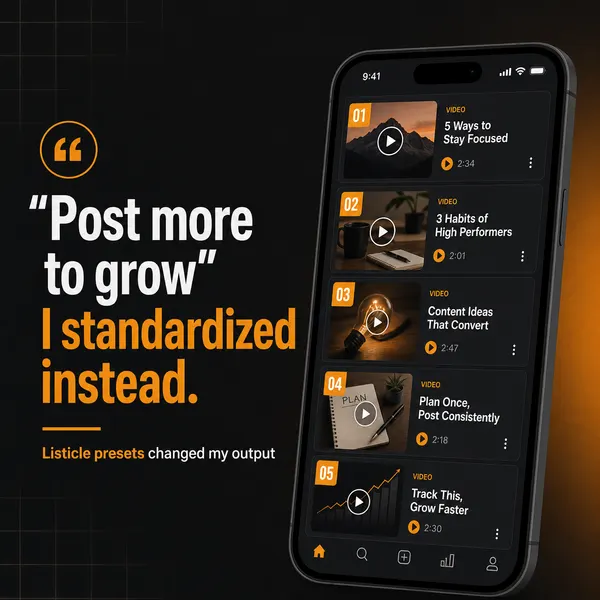
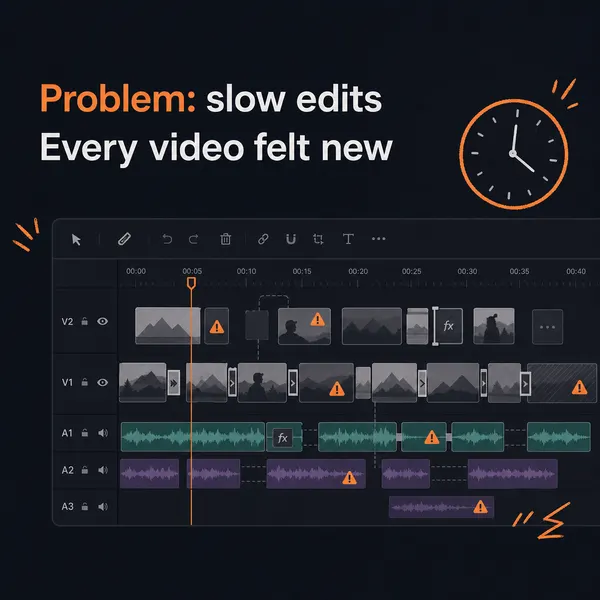
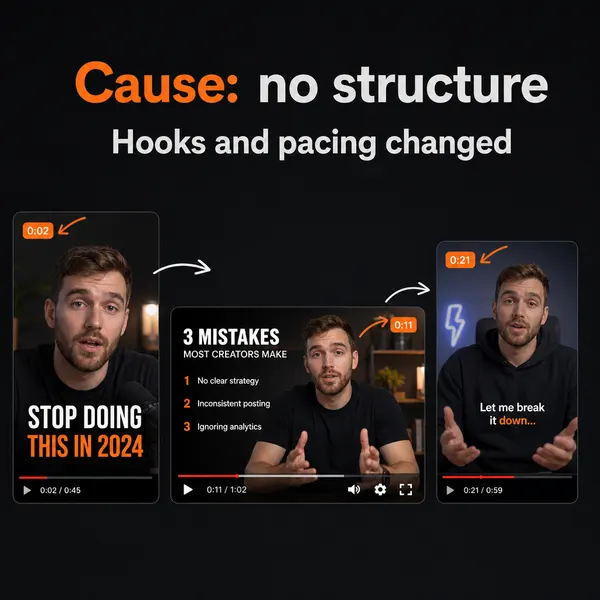
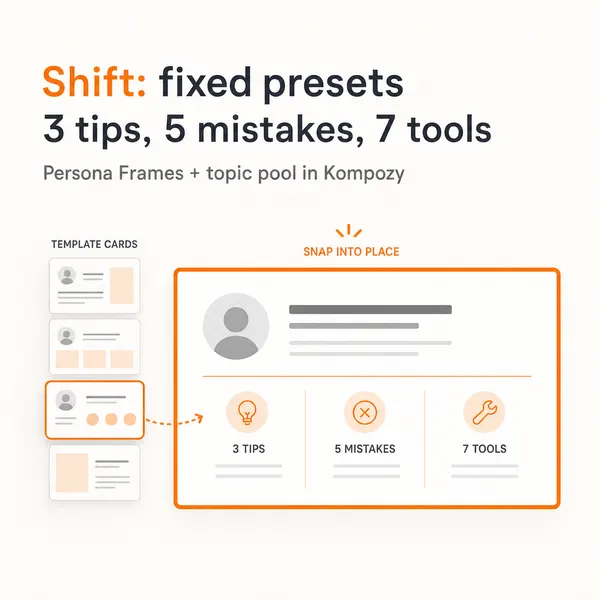
A real carousel made in the Kompozy workspace, shown as an example of the format. It was not made for this guide or for any customer.
Who is this for, and who should skip it?
Best for:
- B2B teams, agencies and solo founders whose buyers ask for recommendations in public.
- Teams that can name one owner to reply to hot signals the same day.
- Brands that want the questions they hear to feed their content calendar.
Not ideal for:
- Anyone planning automated scraping or bulk cold DMs. Platform rules forbid it.
- Teams looking for a listening tool inside Kompozy. It does not scan Reddit or score intent; pair it with a dedicated listener.
Frequently asked questions
What is the difference between social listening for lead generation and for brand monitoring?
Brand monitoring watches mentions of your own name, sentiment, and share of voice — it answers "how are we perceived?" Lead generation watches for buying-intent language from people who have not mentioned you at all — product questions, pain points, competitor complaints, recommendation requests — and answers "who in our category is ready to buy right now?" Same tooling, opposite starting point: brand monitoring starts from your name, lead gen starts from the buyer's problem.
Which buying-intent phrases should I track first?
Start with three groups and a short list of terms: high-intent stems ("has anyone used", "looking for recommendations", "switching from"), your competitors' names paired with frustration words ("tired of", "alternative to"), and the specific pain point your product removes in the words your buyers use. Add timing language ("this quarter", "ASAP") to your scoring rather than your keyword list. Keep it small — a focused list you actually action beats a long list of terms you skim.
How fast do I need to respond to a buying-intent signal?
Hours, not days. A recommendation or evaluation post has a short window — respond days later and the thread has usually moved on, with other replies already in. Speed is the one variable you fully control, so route high-intent signals to a named owner on rotation and treat them like inbound support tickets, not a weekly-review chore.
Do I need a paid tool, or can I start manually?
You can start manually with native platform search, saved searches, and column views for your top phrases — enough to prove the workflow finds real leads. A paid social listening tool earns its cost when you outgrow a few terms and need cross-platform coverage, intent alerts, and routing so nothing goes stale. Prove value on the manual version first, then buy for scale and speed.
How do we know this?
On 2026-10-23 we checked the platform-rules note against LinkedIn's User Agreement and the anti-spam note against the FTC's CAN-SPAM guide. We removed unsourced response-time and buyer-behavior figures. Kompozy plan details come from kompozy.io/pricing.
Sources
- LinkedIn: User Agreement (Dos and Don'ts) (read 2026-10-23)
- FTC: CAN-SPAM Act: A Compliance Guide for Business (read 2026-10-23)
- Kompozy: Pricing (read 2026-10-23)